Reviews of my most beloved, influential, consuming books I’ve read to date. They are rated on a “how long did I think about it after I stopped reading it” scale.
Why no stars? Because I don’t trust your willy-nilly description of the difference between a 3-star and a 4-star book, Helen. And when I’m passionate about something, I will bring it up as often as possible.
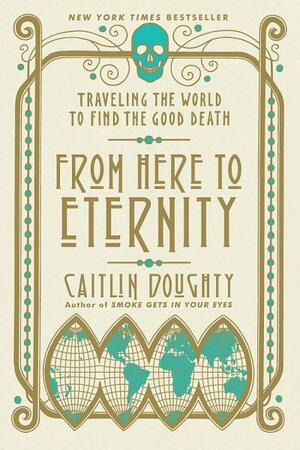
If you’ve been touched by death (honestly, even if you haven’t) Caitlin Doughty’s From Here to Eternity explores just how narrow and sterile the West has become in its handling of the dead, and explores how other cultures approach the inevitable. A must-read for those who planned a funeral in the midst of the pandemic or want an introduction to various practices.
How long did I think about it? I’m still ruminating about it and mortifying my colleagues with this book.
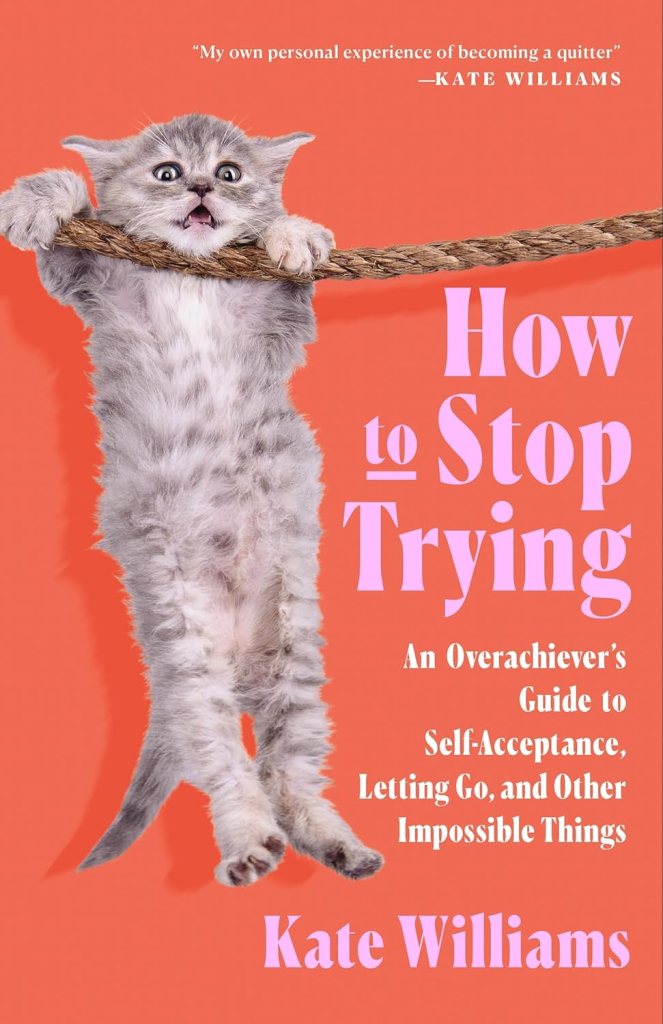
Perfectionists, rejoice — there is hope for us yet. Kate Williams’s approachable and relatable tone captures the experience of doing it all (and doing it perfectly, thanks) through the lens of a feminine experience and societal expectations. Funny, necessary, and deeply applicable, many of her summaries are reference points when I find myself overthinking, underestimating, and speaking poorly to my very capable, very interesting, very love-worthy self.
How long did I think about it? I didn’t shut up about it for a few weeks after I read it, and some of her lessons still come up in conversation.
I have yet to find a horror series that latches onto me as deeply as Mira Grant’s The Newsflesh Trilogy. Sharp, knowledgeable, and well-constructed, it delivers digestible social commentary that resonates in our current political and social climates, all while depicting a chillingly realistic post-zombie-virus society… Oof, I couldn’t put it down.
How long did I think about it? The Masons and their do-or-die crew of underdog reporters cross my mind weekly. This series is so well-written. I want to be Mira when I grow up.
Very few books have made me take a good, hard look at myself. Rest: Why You Get More Done When You Work Less by Alex Soojung-Kim Pang did that. Repeatedly. Not only did I analyze my work ethic and create an entire personalized diagram to identify different types of tired and how to tackle them, I began to internalize capacity vs capability — and stop confusing the two.
How long did I think about it? I still reference the tools this book gave me when I’m frustrated with my inability to “get more done.” That grid lives above my computer and I have recommended it to many others.

 Kat Macomber